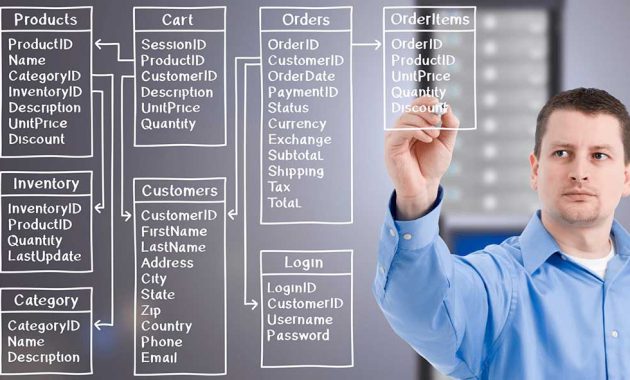
In our data-driven age, businesses rely heavily on structured data to drive decisions, improve operations, and serve customers. At the heart of data management stands the Database Administrator (DBA)—the expert responsible for designing, maintaining, and optimizing database systems that power websites, applications, and analytics platforms.
If you’re curious how to become a database administrator, this guide walks you through the roles, essential skills, education, certifications, salary expectations, and career outlook—all from a Human Capital perspective tailored for clarity and actionable insights.
What Is a Database Administrator?
A Database Administrator (DBA) is a specialized IT professional responsible for designing, implementing, and maintaining database environments. DBAs ensure data is accessible, secure, backed up, and performing optimally—enabling businesses to leverage accurate, reliable information.
DBAs serve as custodians of critical data assets, bridging technical architecture, data governance, performance tuning, and user support. Their role is vital across industries—hosting customer data, financial records, product catalogs, and analytics repositories.
Core Responsibilities of a DBA
The DBA’s role touches many areas, including:
Database Installation, Configuration & Upgrades
Deploy database server software (e.g., Oracle, SQL Server, MySQL)
Configure replication, clusters, and high‑availability environments
Performance Monitoring & Tuning
Analyze slow queries, optimize indexes, and tune server settings
Use profiling tools and monitoring dashboards
Backup, Recovery & Disaster Planning
Schedule regular backups, configure archive logging
Write and test scripts for full, incremental restores, and point-in-time recovery
Security & Access Control
Manage user roles, privileges, and authentication methods
Monitor for vulnerabilities and apply patches
Data Modeling & Schema Design
Design tables, relationships, and normalization schemes
Collaborate with developers on scalable data structures
Automation & Maintenance Scripting
Automate routine tasks using Python, PowerShell, Bash, or DBMS schedulers
Troubleshooting & Support
Investigate outages, resolve crashes, assist developers with SQL optimizations
Documentation & Compliance
Log schema changes, configuration updates, backup schedules
Ensure data handling meets industry standards and legal requirements
Types of Database Administrators
DBA roles can be specialized based on focus or environment:
- Systems DBA: Manages physical infrastructure, OS, replication, clustering, and hardware resources
- Development DBA: Works closely with developers—schema design, SQL optimization, version control, CI/CD pipelines
- Application DBA: Optimizes databases integrated into specific applications like ERP or CRM
- Cloud DBA: Focuses on cloud-native database platforms—Amazon RDS, Azure SQL, Google Cloud SQL
- Data Warehouse DBA: Manages ETL processes, OLAP cubes, large-scale storage, and analytics performance
Essential Skills and Knowledge Areas
To excel as a DBA, you must master both technical tools and soft skills:
Technical Skills
- Database Engines: Proficient in platforms like Oracle, Microsoft SQL Server, PostgreSQL, MySQL, MongoDB
- SQL Mastery: Advanced querying—joins, subqueries, window functions, Stored Procedures, triggers
- Backup & Recovery Planning: Familiarity with recovery models, redo logs, transaction logs, disaster recovery planning
- Performance Optimization: Indexing strategies, execution plans, query analysis, partitioning
- Systems Administration: Linux or Windows server knowledge for installation and administration
- Scripting & Automation: Python, PowerShell, Bash—automates maintenance, monitoring, and reporting
- Cloud & Virtualization: Understanding of AWS, Azure, GCP database instances, containers, and orchestration
Soft Skills
- Problem-Solving: Quick and effective troubleshooting under pressure
- Attention to Detail: Small misconfigurations can have big data implications
- Communication: Teach developers non-DBAs, produce documentation, liaise with stakeholders
- Time Management: Balance maintenance, performance tickets, project support, and on-call rotations
- Adaptability: Stay current with evolving technologies—cloud, automation, security patches
Education and Certification Paths
Becoming an effective DBA usually follows one of two paths:
Academic Routes
- Associate or Bachelor’s Degree in Computer Science, Information Systems, or IT
- Coursework often includes: relational databases, data structures, algorithms, OS, networking, and scripting
Self-Learning & Bootcamps
- Many DBAs start through self-study, community college courses, online tutorials, YouTube, and bootcamps
- Covering SQL, database fundamentals, vendor-specific platforms, and scripting
Key Certifications
Certifications demonstrate credibility and may be required by employers:
- Microsoft Certified: Azure Database Administrator Associate
- Oracle Certified Professional (OCP): Oracle Database
- AWS Certified Database – Specialty
- IBM Certified Database Administrator – DB2
- Google Professional Data Engineer
- Vendor-agnostic: Certified Data Professional (CDP)
How to Become a Database Administrator: Step-by-Step Guide
- Build a Strong Foundation in SQL
Study data models, relationships, querying patterns, and normalization principles. - Learn a Database Platform in Depth
Install and configure SQL Server, PostgreSQL, or Oracle in a test environment. Practice common tasks—backups, restores, indexing, replication. - Develop Scripting and Automation Skills
Automate daily tasks like backups and health checks using Python, PowerShell, or shell scripts. - Gain Real-World Experience
Engage in internships, volunteering, or personal projects like building a small-scale database service. - Earn a Relevant Certification
Choose a platform (Microsoft, Oracle, AWS) and complete certification to validate your skills. - Practice Performance Tuning
Learn to read execution plans, optimize queries, and build indexes. Practice with slow query logs or activity monitors. - Specialize and Learn Cloud Platforms
Learn cloud DB services and architectures—Amazon RDS, Azure SQL, backups, replicas, scaling - Expand into High Availability (HA)
Work with clustering, failover groups, mirroring setups, and load balancing - Stay Current & Network
Join DBA communities (Stack Overflow, Reddit r/DatabaseAdmin, vendor forums), attend webinars, and read tech blogs - Prepare for Interviews
Expect scenario-based and hands-on tests—practice virtualization tasks, problem-solving under pressure
Salary Expectations & Career Outlook
U.S. Salary Range
- Entry-Level (0–2 years): $60K–$80K
- Mid-Level (3–7 years): $80K–$110K
- Senior/Lead DBA (>7 years): $110K–$150K+
- Database Architect / DBA Manager: $130K–$180K
Global Averages:
- UK: £30K–£60K
- Canada: CAD 60K–90K
- Australia: AUD 70K–100K
Growth Drivers:
- Expanding data infrastuctures for analytics, security, and compliance
- Migration to the cloud
- Increasing regulatory demands (GDPR, HIPAA) fueling need for data control
Common Career Paths and Specializations
DBAs can evolve into varied roles:
- Systems DBA / Infra Engineer: Focused on servers, OS, and replication
- DevOps / DataOps Engineer: Bridging CI/CD, automation, containers, GitOps
- Database Architect: Designs data schemas and enterprise-level strategies
- Big Data Engineer: Works with Hadoop, Spark, NoSQL for large-scale analytics
- Cloud Database Engineer: Manages cloud-native and hybrid systems
- Data Engineer: Builds pipelines, ETL processes, analytics-ready datasets
Key Tools and Technologies
Familiarity with these tools makes DBAs more effective:
- DBMS Software: Oracle, SQL Server, PostgreSQL, MySQL/MariaDB, MongoDB
- Monitoring Tools: SolarWinds, Redgate, Quest Spotlight, Prometheus, Grafana
- Automation Scripts: Python, PowerShell, Bash
- Development & CI Tools: Git, Jenkins, Docker, Kubernetes
- Cloud Platforms: AWS RDS/Aurora, Azure SQL Database, Google Cloud SQL
- Performance Profilers: SQL Profiler, DMVs, EXPLAIN, pg_stat, InnoDB monitor
FAQs about How to become a Database Administrator
Do I need a degree to become a DBA?
No—not always. While degrees can help, practical experience with SQL and databases often carries equal weight. Certifications and hands-on projects can make up for formal education.
What programming languages should I learn?
SQL is fundamental. Python and shell scripting (PowerShell, Bash) are vital for automation. Familiarity with languages used by developers—C#, Java, Node.js—is also helpful.
Can I become a DBA through self-learning?
Absolutely. Many DBAs are self-taught using free resources, vendor docs, GitHub labs, and community-driven tutorials.
What is the difference between DBA and data engineer?
A DBA manages database systems. A data engineer builds pipelines and transforms data for analytics, though both roles overlap in SQL, ETL, and performance.
Are cloud DBAs in demand?
Yes. As companies migrate to the cloud, expertise with AWS RDS, Azure SQL, and GCP is increasingly crucial.
Do DBAs only work behind the scenes?
Not at all. DBAs collaborate with developers, analysts, and IT teams. Advanced roles involve strategy, architecture, governance, and mentorship.
How long does it take to become a DBA?
Typically, 6 months to 2 years. With focused learning and certification, you can become job-ready in under one year.
What are common career advancement opportunities?
A DBA can become a Lead or Manager, Database Architect, Cloud Engineer, Data Engineer, or specialize in security, data science platforms, or compliance.
Conclusion
Becoming a Database Administrator is a strategic and rewarding path in today’s data-intensive business world. By developing strong SQL knowledge, database platform expertise, scripting ability, and cloud capabilities, you build a career with solid demand, positive job outlook, and growth potential.
Your Next Steps:
- Start with SQL fundamentals and a personal lab setup
- Select a DBMS platform and pursue certification (Microsoft, Oracle, AWS, etc.)
- Build hands-on projects—automated backups, performance tuning—on test systems
- Join DBA communities for support and knowledge exchange
- Prepare for interviews with mock scenarios and test your troubleshooting skills

Experienced Recruiter with a demonstrated history of working in the media production industry. Strong human resources professional with a Bachelor’s degree focused in Psychology from Universitas Kristen Satya Wacana.