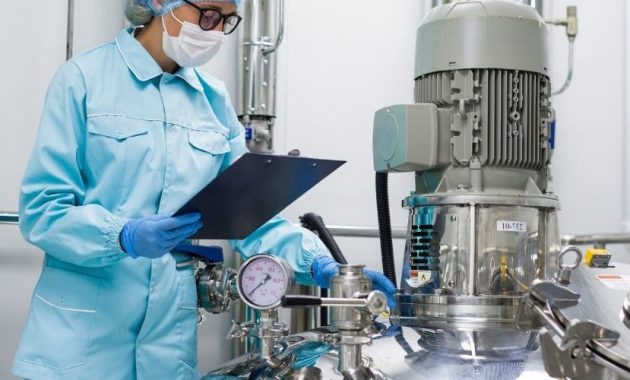
Chemical engineering is one of the most versatile and impactful careers in the STEM world. From developing sustainable energy solutions to creating life-saving pharmaceuticals, chemical engineers play a crucial role in shaping modern industries. If you’re curious about how to become a chemical engineer, this guide walks you through the role, salary range, required skills, and long-term career opportunities—written with an HR expert perspective to help you choose the right career direction.
What Does a Chemical Engineer Do?
Chemical engineers apply chemistry, physics, mathematics, and engineering principles to design processes, develop products, and solve industrial problems.
Their work transforms raw materials into valuable products—from plastics and medicines to clean fuels, food ingredients, and advanced materials.
Key Job Responsibilities
- Designing and optimizing chemical manufacturing processes
- Conducting safety and environmental risk assessments
- Developing new materials, formulas, and chemical products
- Performing lab experiments, simulations, and plant tests
- Overseeing equipment installation and operational improvements
- Ensuring compliance with industry regulations and safety standards
- Troubleshooting production issues and improving efficiency
- Collaborating with chemists, mechanical engineers, and quality teams
Where Chemical Engineers Work
The career is diverse, offering opportunities in several high-demand industries:
- Pharmaceuticals
- Food and beverage manufacturing
- Oil & gas and petrochemicals
- Renewable energy and environmental engineering
- Materials science and nanotechnology
- Cosmetics and personal care products
- Water treatment and waste management
- Biotechnology and medical research
Salary Expectations for Chemical Engineers
Chemical engineers consistently rank among the highest-paid engineers.
- Entry-Level Salary: $65,000–$80,000 per year
- Mid-Career Salary: $90,000–$120,000 per year
- Senior-Level Salary: $130,000–$160,000+
- Specialized roles (R&D, petrochemical, biotech): $150,000–$180,000+
Salaries vary by industry, location, experience, and specialization.
Essential Skills Needed to Become a Chemical Engineer
Technical Skills
- Chemistry and chemical reaction engineering
- Thermodynamics and heat transfer
- Process design and optimization
- Material science
- Data analysis and statistical modeling
- Process simulation software (ASPEN HYSYS, MATLAB, ChemCAD)
- Environmental and safety engineering
- Knowledge of plant operations and industrial equipment
Soft Skills
- Problem-solving and critical thinking
- Communication and teamwork
- Analytical decision-making
- Leadership and project management
- Adaptability in fast-paced industrial environments
- Attention to detail and safety awareness
How to Become a Chemical Engineer (Step-by-Step Guide)
1. Earn a Bachelor’s Degree in Chemical Engineering
This is the minimum requirement. Related programs include:
- Process Engineering
- Materials Engineering
- Biochemical Engineering
2. Gain Hands-On Experience Through Internships
Internships prepare you for real-world plant operations, R&D environments, and process design work. Target:
- Chemical manufacturing plants
- Pharmaceutical companies
- Environmental or waste management facilities
- Engineering firms
3. Build Strong Technical Competencies
Develop proficiency in:
- Simulation tools (HYSYS, Aspen Plus)
- Excel and data analytics
- Quality and safety standards (ISO, OSHA)
4. Consider a Master’s Degree or Specialization
Optional but beneficial for advanced roles in:
- Bioprocess engineering
- Energy systems
- Materials development
- Environmental engineering
5. Earn Professional Licensure (Optional)
Depending on your country, you may pursue certifications such as:
- Professional Engineer (PE)
- Chartered Engineer (CEng)
6. Apply for Chemical Engineering Roles
Common job titles include:
- Chemical Process Engineer
- Quality Engineer
- Production Engineer
- R&D Engineer
- Plant Engineer
- Environmental Engineer
Career Growth Opportunities
Chemical engineering provides a stable and diverse career path:
Process Engineering
Focus on optimizing plant systems and ensuring safe, efficient operations.
Research & Development (R&D)
Work on innovation, new materials, and technological advancement.
Environmental Engineering
Develop solutions for pollution control, clean energy, and sustainable systems.
Quality and Compliance
Ensure product quality and regulatory adherence.
Project Engineering / Management
Lead major engineering projects, expansions, or new plant constructions.
Pros and Cons of Becoming a Chemical Engineer
Pros
- High earning potential
- Diverse industry choices
- Strong job stability and demand
- Opportunities for innovation and problem-solving
- Ability to impact sustainability and global industries
Cons
- Requires advanced math and science capability
- Can involve high-pressure industrial environments
- Safety risks in certain chemical or plant settings
- Continuous learning is essential
FAQs About Becoming a Chemical Engineer
Is chemical engineering hard?
Yes, it’s academically challenging but rewarding for those who enjoy science and problem-solving.
What subjects are important in high school?
Chemistry, physics, math, and computer science.
Is coding required?
Basic coding (MATLAB, Python) is increasingly important for simulations and data analysis.
Do chemical engineers work in labs or plants?
Both—depending on your role and specialization.
Can I switch industries easily?
Yes, chemical engineers are highly transferable across sectors.
Is a master’s degree necessary?
Not required, but helpful for research-heavy or specialized positions.
Are chemical engineers in demand?
Yes—especially in pharmaceuticals, energy, and environmental engineering.
Can chemical engineers work abroad?
Absolutely. The field offers worldwide opportunities.
Do chemical engineers work with hazardous materials?
Sometimes, but strict safety protocols are followed.
What software do chemical engineers use?
Aspen Plus, HYSYS, ChemCAD, MATLAB, Python.
Is chemical engineering suitable for people who love sustainability?
Yes. Many roles focus on renewables, clean energy, and waste reduction.
How long does it take to become a chemical engineer?
Typically 4 years for a bachelor’s degree; 1–2 more for advanced studies.
Final Verdict
If you enjoy chemistry, problem-solving, and designing systems that make industries safer and more efficient, pursuing how to become a chemical engineer is an excellent career choice. Chemical engineering offers high earning potential, strong job demand, and endless opportunities across global industries. With the right education and skill set, you can build a rewarding and impactful career in this dynamic field.

Experienced Recruiter with a demonstrated history of working in the media production industry. Strong human resources professional with a Bachelor’s degree focused in Psychology from Universitas Kristen Satya Wacana.